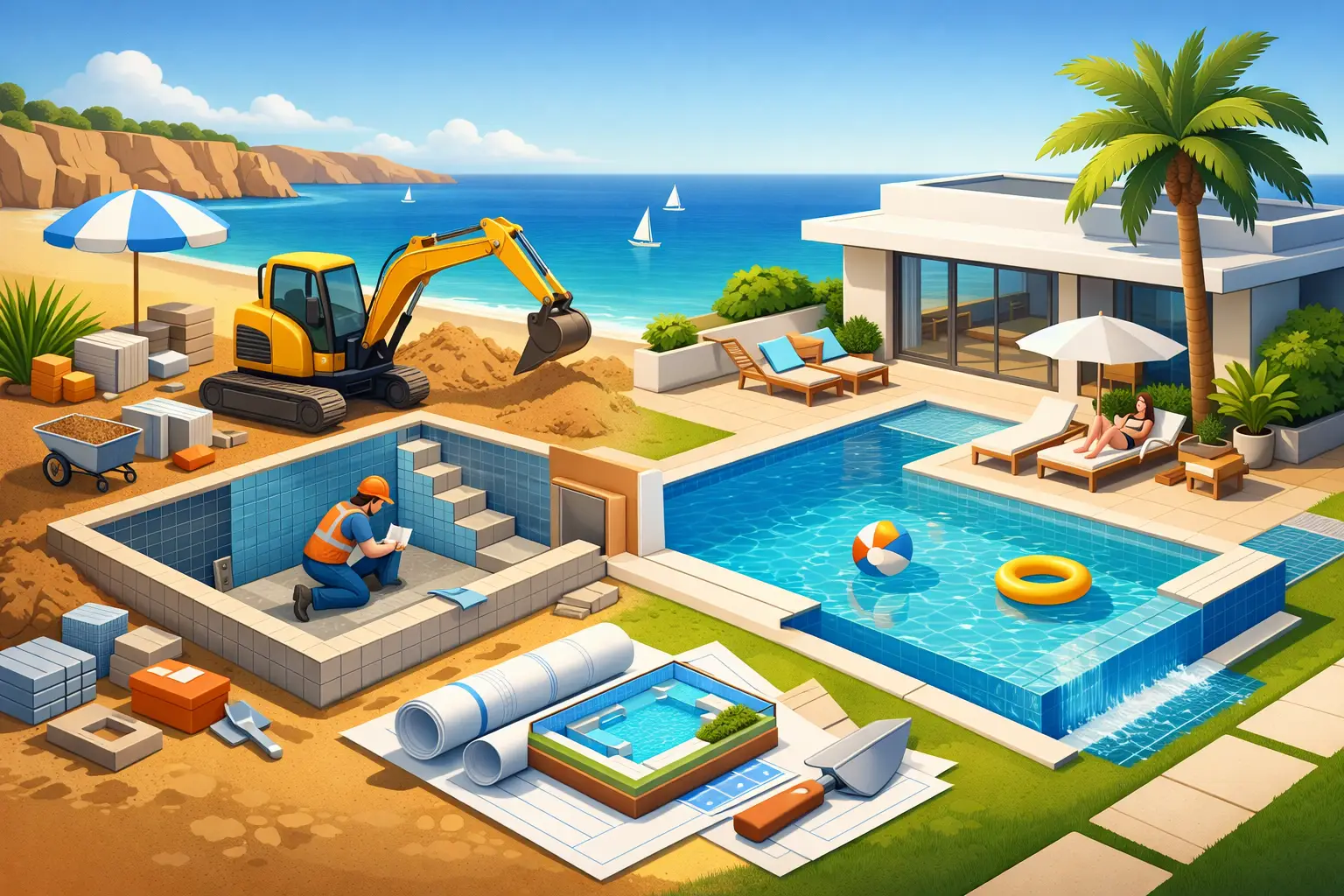

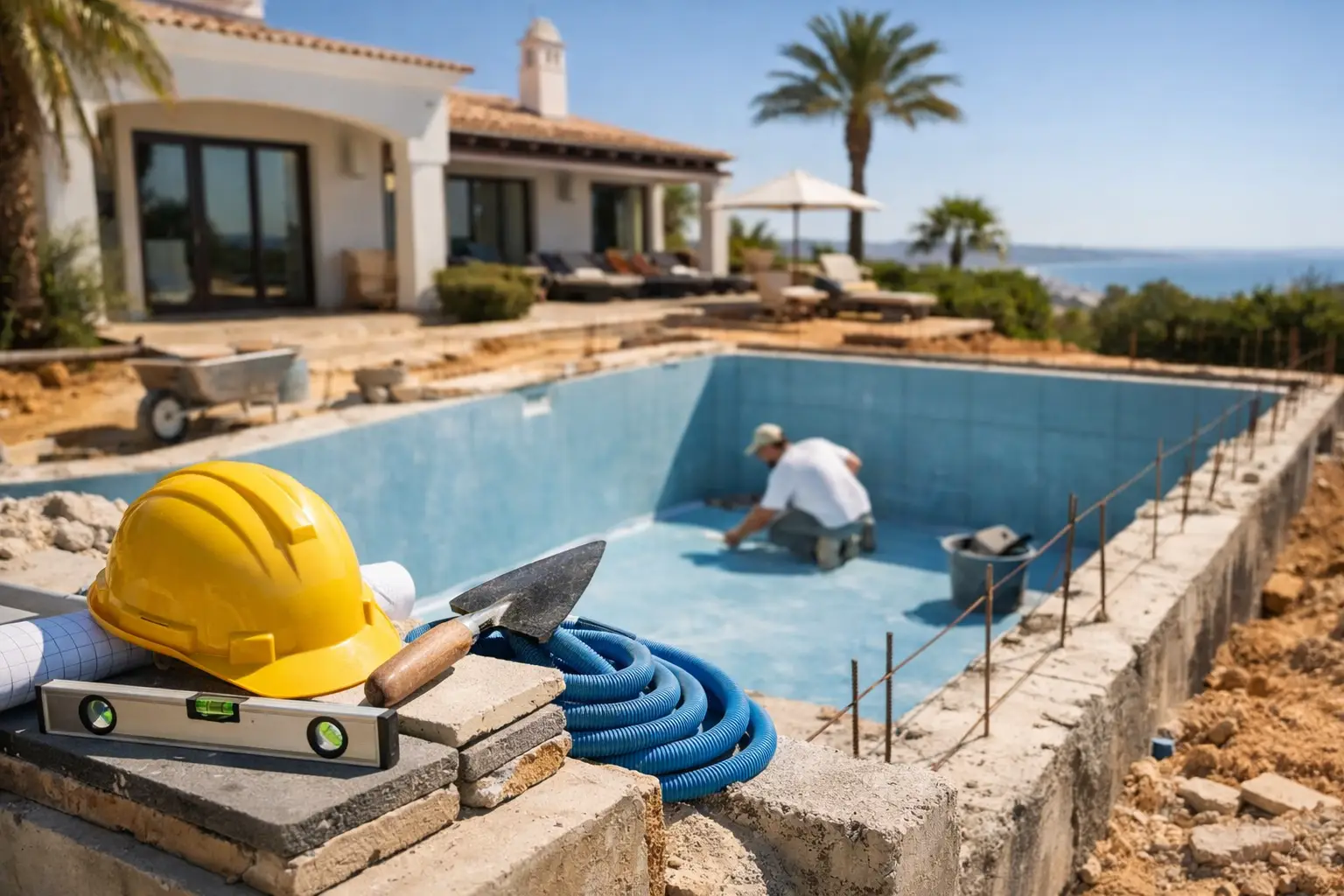
A well-built pool starts long before excavation. In the Algarve, the difference between a pool that looks good for a season and one that performs properly for years usually comes down to planning, materials and technical decisions made at the start. This swimming pool construction guide is designed for homeowners, property managers and developers who want a clear view of the process before committing to a build.
A swimming pool is not just a leisure feature. It affects the value of the property, ongoing maintenance costs, guest satisfaction in holiday rentals, and day-to-day convenience. That is why construction should never be treated as a simple landscaping job. It needs to be approached as a long-term investment.
What a good swimming pool construction guide should cover
A useful swimming pool construction guide does more than describe the shape of the pool or the finish around the edges. It should help you understand how the pool will work in practice, how it will sit within the property, and what choices will influence durability, efficiency and safety.
The first point is purpose. A family home may need a pool designed for regular use, with safe access, easy maintenance and enough shallow area for children. A holiday property may place more emphasis on appearance, durability under heavy seasonal use and straightforward equipment management. A residential development may need consistency, reliability and a specification that supports long-term upkeep.
This is where experience matters. The right construction partner will not simply ask what size pool you want. They will ask how the pool will be used, who will maintain it, how much sun the area receives, what kind of water treatment suits the property, and what finish makes sense for the budget and the environment.
Planning the pool around the property
In the Algarve, site conditions matter more than many clients expect. Ground levels, exposure to wind, access for machinery, drainage and sun orientation all influence the final result. A pool in an exposed area may lose more heat and require more thought around covers or heating. A pool built on sloping ground may need additional structural planning. A rental villa with a sea-facing terrace may prioritise visual impact, while a main residence may focus more on practicality and comfort.
Placement also affects how the pool connects with the house. If it feels too far from the main living area, it may be used less. If it sits awkwardly in the plot, circulation around the garden can become inconvenient. Good planning looks at the whole outdoor space, not only the shell of the pool.
At this stage, it is also sensible to think ahead. Lighting, heating, covers, water features, stainless steel accessories and even future upgrades should be considered before construction begins. Retrofitting is possible, but it is rarely as clean or cost-effective as building with those options in mind from the start.
Choosing the right pool structure and finish
There is no single best construction method for every project. Concrete structures remain a strong choice for bespoke pools because they allow flexibility in size, depth and shape. For clients who want a customised finish and long-term solidity, this is often the preferred route.
Liner solutions can also be an excellent option, particularly when the aim is to combine visual quality, watertight performance and controlled costs. In renovation projects, liners are especially useful because they can modernise an ageing pool efficiently. The right choice depends on the structure, the expected use of the pool and the finish the client wants to achieve.
Finishes are not only aesthetic. They affect comfort, maintenance and longevity. Internal surfaces should be pleasant underfoot and suitable for the intended level of use. Surrounding materials need to cope with sun, water and regular foot traffic. A pool area may look impressive on completion, but if the selected materials become slippery, fade quickly or require excessive upkeep, the result is less satisfying over time.
Equipment decisions that shape performance
Many pool problems begin with poor equipment selection rather than poor construction. Filtration, circulation and water treatment are central to how the pool performs every day. If the hydraulic design is inadequate, dead zones can develop, water quality becomes harder to control and maintenance becomes more demanding.
A properly specified filtration system helps keep water clear and balanced with less waste and fewer interventions. Skimmers, pumps, filters and inlet positioning must work together. This is not the most visible part of a new pool, but it is one of the most important.
Clients are also increasingly focused on efficiency. Heat pumps, covers and modern control systems can make a significant difference to running costs, especially in homes that want to extend the swimming season or manage a pool remotely. Salt treatment systems are another common consideration, though the right solution depends on the pool design, client preference and maintenance routine.
Lighting deserves careful thought as well. It changes how the pool looks at night, improves usability and can strengthen the overall atmosphere of the outdoor space. The best results come when lighting is planned as part of the project rather than added as an afterthought.
Budget, timing and realistic expectations
Cost is one of the first questions clients ask, and understandably so. The honest answer is that pool construction costs vary according to size, structure, finish, site conditions and equipment level. Two pools may appear similar in photographs but differ substantially in build quality and long-term operating costs.
A lower initial price can sometimes mean compromises in hidden areas such as pipework, filtration quality or structural preparation. These compromises often show up later as leaks, inefficient operation or repeated repairs. For that reason, it is better to evaluate value over the full life of the pool rather than focusing only on the construction figure.
Timing also depends on more than excavation and concrete work. Design decisions, access conditions, product lead times and site coordination all influence the schedule. Rushing a project can create expensive problems, particularly when finishes or technical installations are not given proper attention. A professional approach sets clear stages and realistic deadlines from the start.
The role of renovation thinking in new construction
One of the most useful perspectives in pool building comes from renovation experience. Companies that regularly repair, modernise and upgrade existing pools tend to know where original builds often go wrong. They understand which details age badly, which materials hold up better, and which equipment choices clients later wish they had made.
That kind of knowledge is valuable during new construction. It leads to better decisions on access to plant areas, ease of maintenance, liner suitability, replacement planning and energy efficiency. A pool should be built not only for handover day, but for ten or fifteen years of real use.
For many Algarve properties, this matters greatly. Second homes may stand empty for part of the year. Tourist accommodation often sees intense seasonal use. Residential developments need durable, serviceable systems that can be maintained without unnecessary disruption. Construction choices should reflect those realities.
Why aftercare matters from the beginning
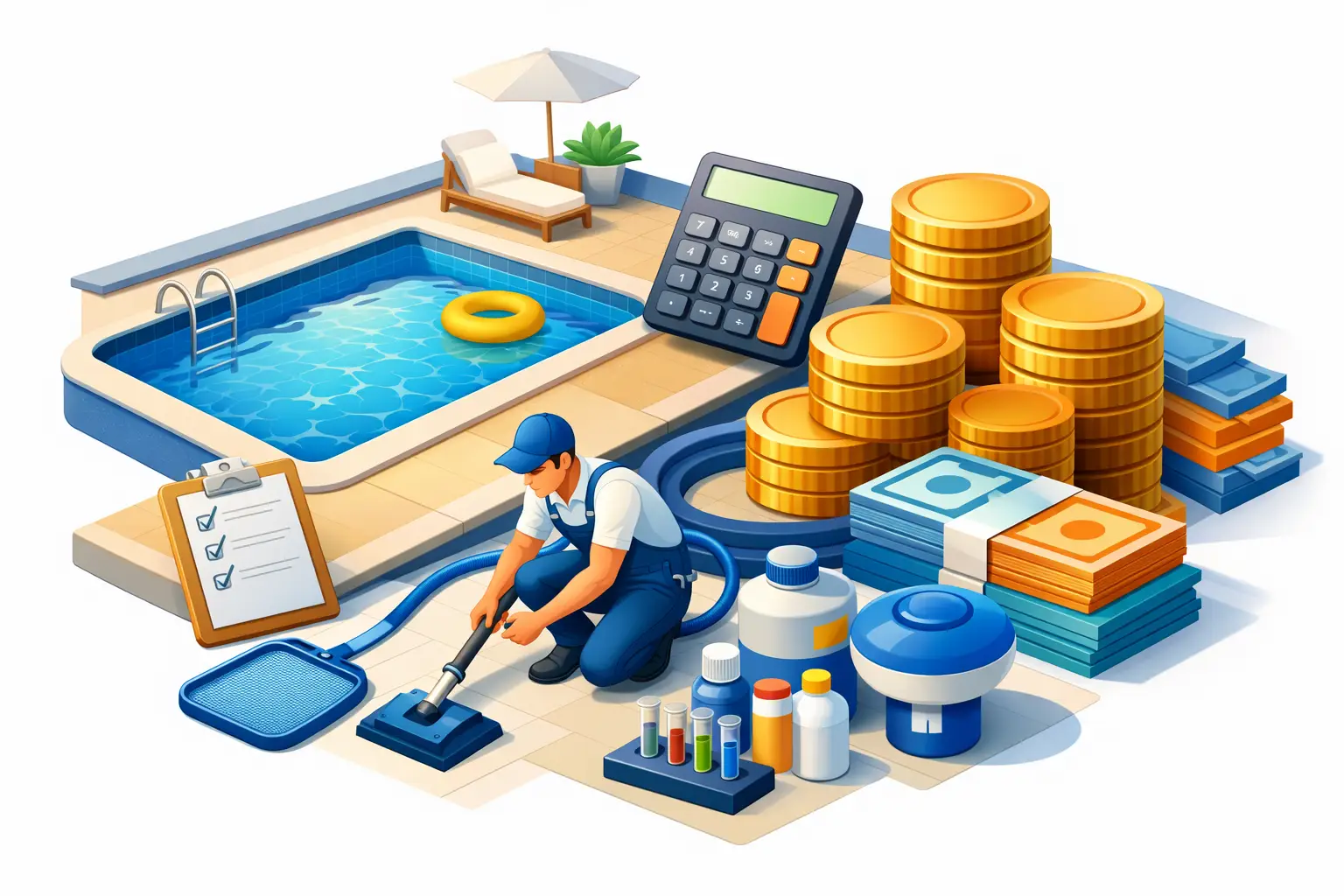
A pool is not finished when it is filled with water. It enters a new phase that includes balancing, routine servicing, seasonal checks and occasional technical adjustments. That is why it is sensible to work with a company that can support the full lifecycle of the pool, from construction to equipment supply, maintenance and future upgrades.
This continuity makes life easier for the owner and reduces the risk of fragmented responsibility. If the builder disappears after completion and maintenance is left to someone unfamiliar with the original system, small issues can become harder to diagnose. A complete service approach gives clients a clearer line of support.
For homeowners and property managers in the Algarve, that local continuity is especially valuable. Fast access to technical assistance, replacement components and practical advice helps protect both the pool and the wider property investment. POOLSHOP ALGARVE works with this full-project mindset, which is often the difference between a good-looking installation and a pool that remains dependable year after year.
Swimming pool construction guide: what to ask before you start
Before approving a project, ask direct questions. How will the pool be used? What construction method is being proposed and why? What equipment is included as standard, and what difference do upgrades make in practice? How easy will routine maintenance be? What support is available after completion?
The quality of the answers matters. Clear, practical explanations usually indicate a company that understands both construction and long-term care. Vague promises and overly simple cost comparisons usually indicate the opposite.
A new pool should suit the property, the people using it and the level of maintenance expected afterwards. When those parts are aligned, the result is not only attractive but dependable, efficient and easier to enjoy. If you are planning a pool in the Algarve, the best next step is not to choose a shape. It is to choose a partner who can build with the full picture in mind.