
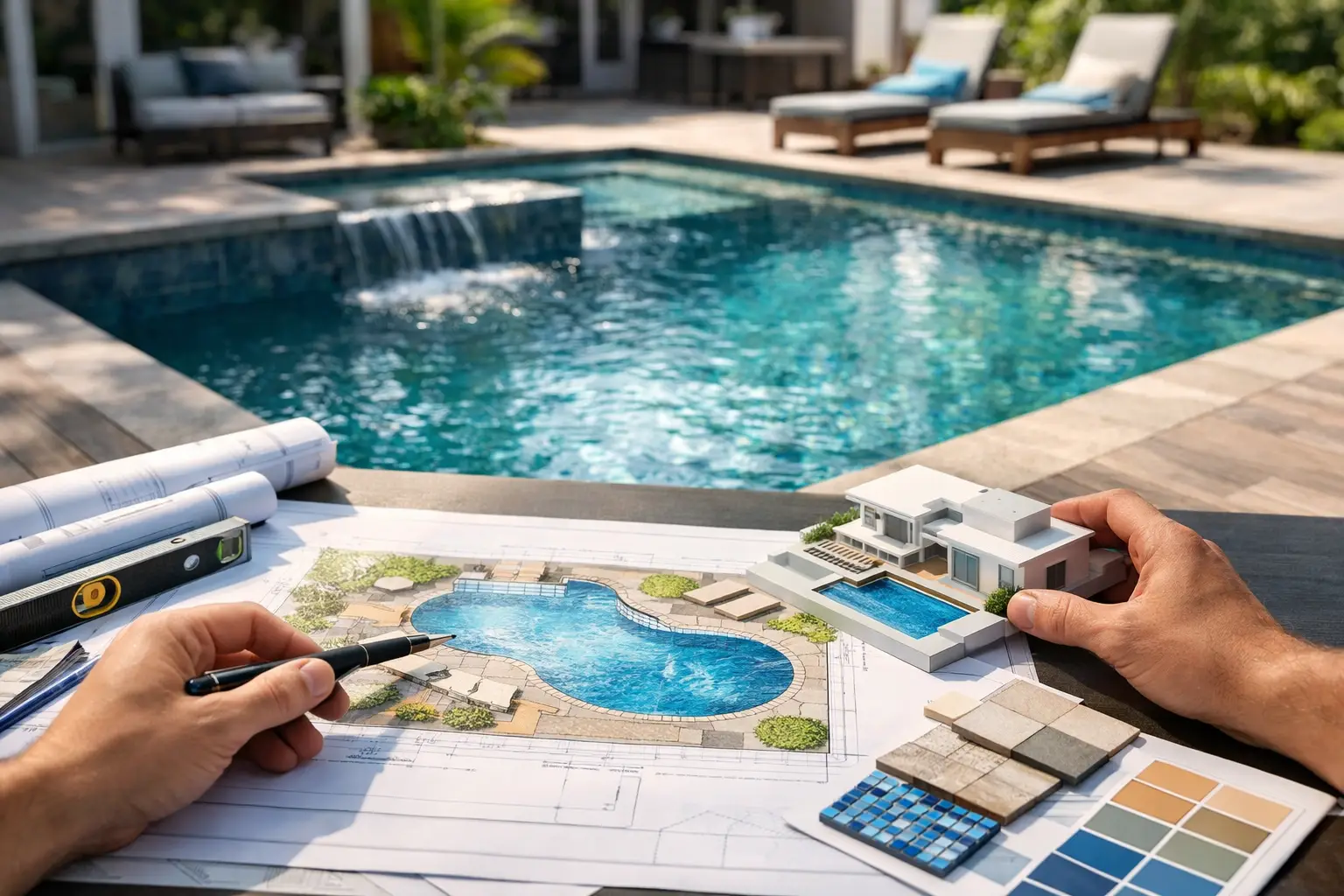
A pool that looks perfect on paper can become frustrating to own if the planning is rushed. Depths that do not suit the family, awkward access, expensive running costs, or finishes that struggle in Algarve conditions usually trace back to one issue – the project started before the right decisions were made. If you are wondering how to plan a custom pool, the best approach is to treat it as both a lifestyle investment and a technical build.
A well-planned pool should suit the property, the people using it, and the level of maintenance you are prepared to manage. It should also work for the long term, whether that means regular family use, entertaining guests, supporting a holiday rental, or increasing the appeal of a residential development.
How to plan a custom pool around the way you live
The first decision is not shape or finish. It is purpose. A custom pool should begin with a clear idea of how it will actually be used.
For a family home, priorities often include safe access, practical depth, durable finishes and easy cleaning. For a second home, owners may place more importance on automation, efficient filtration and reliable covers because the property is not occupied all year. In tourist accommodation, the focus may shift towards visual impact, hard-wearing materials and systems that reduce downtime between guests.
This is where many projects either become efficient or unnecessarily expensive. A long, elegant pool may look impressive, but if the site is compact and the main goal is relaxed family use, a smarter layout may offer better value. Equally, a basic design may save money at the start but feel limited if you later want heating, lighting upgrades or a more refined leisure area.
When planning, ask practical questions early. Who will use the pool most often? Will young children or older adults need safer entry points? Do you want space for swimming lengths, or is this mainly a pool for cooling off and social use? These answers shape every decision that follows.
Start with the site, not just the design
Every plot has opportunities and limitations. In the Algarve, sun exposure, prevailing wind, slope, privacy and ground conditions all matter.
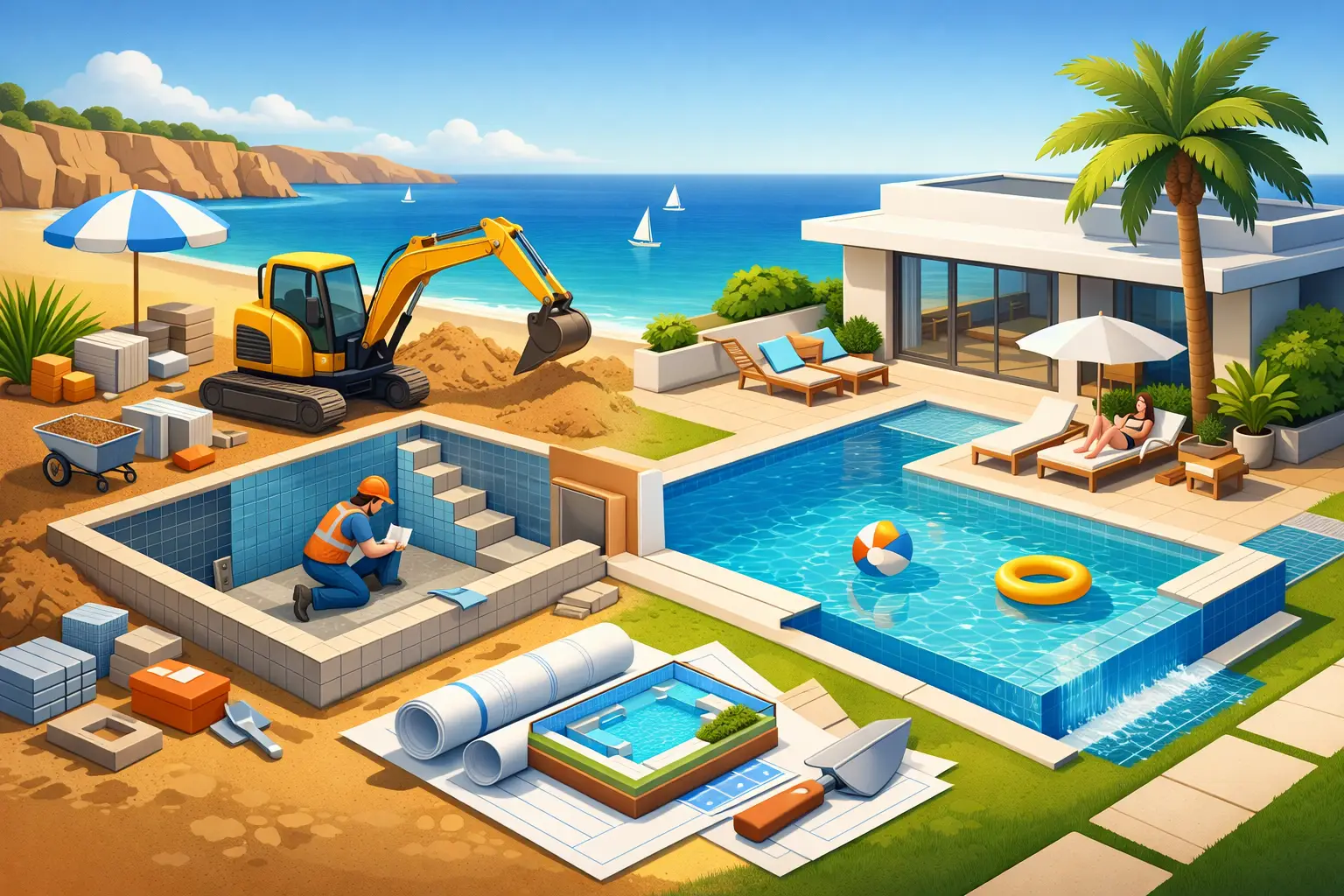
A pool placed in the wrong area may lose sunlight earlier than expected, collect more debris, or feel too exposed to neighbours. A sloping plot can still support an excellent design, but structural and drainage considerations need to be addressed from the outset. Access for construction is another detail that clients sometimes underestimate. If machinery or materials cannot reach the site easily, this may affect timescales and cost.
The relationship between pool and house is equally important. The best custom pools tend to feel naturally connected to the terrace, garden and day-to-day movement around the property. If the pool is visually detached from the home or awkward to reach, it often gets used less than expected.
This stage is also the right time to think about local rules, permissions and technical constraints. These vary by location and property type, so professional guidance is worth having before the design is fixed.
Choosing the right size and shape
Bigger is not always better. The right size depends on the available space, intended use, maintenance expectations and overall balance of the outdoor area.
A pool that dominates the entire garden can leave little room for seating, circulation or landscaping. On the other hand, a pool that is too small for the property may feel visually underwhelming and less useful for guests or family life. The most successful dimensions are usually those that match the scale of the house and preserve a comfortable leisure area around it.
Shape should be guided by both appearance and function. Rectangular pools remain a strong choice for many homes because they are versatile, timeless and easier to cover. Freeform designs can work well in softer landscaped settings, but they may involve more complexity in finishing, covering and cleaning. Roman steps, beach entries and integrated shallow zones can improve comfort, though they also reduce uninterrupted swimming space.
Depth deserves careful thought. Many owners initially imagine a deep pool throughout, then later realise that moderate depth is more practical for daily use, safer for mixed ages and easier to heat. If diving is not a priority, a more controlled depth profile is often the better investment.
Materials and finishes affect more than appearance
Finishes define the character of the pool, but they also influence durability, cleaning and long-term maintenance. This is not a detail to leave until the end.
Liner solutions can offer flexibility and an attractive finish, particularly when clients want a clean result with controlled installation times. Tiled or rendered surfaces may suit other projects, especially where a very specific architectural look is required. The right choice depends on budget, design expectations and how much maintenance simplicity matters to you.
Colour also changes the overall effect. Lighter finishes can create a bright, fresh appearance and help reveal debris more quickly. Darker tones may look striking and sophisticated, but they absorb more heat and may show scale or wear differently over time. Surrounding paving is equally important. It should provide safe grip, cope well with weather exposure and complement the property rather than compete with it.
Equipment should be planned early, not added later
A custom pool is only as good as the system behind it. Filtration, circulation, sanitation, heating and lighting all affect comfort, water quality and running costs.
This is one of the main advantages of planning with a specialist that handles both the build and the technical side. Instead of treating equipment as an afterthought, it becomes part of a complete solution.
Filtration needs to match the pool volume and usage level. Salt systems are popular for good reason, but they are not a universal answer for every pool. Heat pumps can extend the usable season significantly, though their efficiency depends on pool size, insulation, cover use and owner expectations. Covers improve safety, reduce evaporation and help retain heat, making them one of the most practical upgrades in many Algarve properties.
Lighting deserves more attention than it usually gets. Well-positioned pool lighting improves safety, strengthens the evening atmosphere and enhances the visual value of the whole outdoor space. Stainless steel accessories, skimmers and other technical components should also be selected with durability and ease of service in mind.
Budgeting for the real cost of ownership
One of the most useful parts of learning how to plan a custom pool is understanding that build cost is only one part of the decision. Ongoing ownership matters just as much.
A lower initial quote may exclude important elements such as heating preparation, cover solutions, better pumps or easier-access service points. These omissions can become more expensive later. A more complete specification often represents better value because it reduces operating inefficiencies and avoids disruptive upgrades.
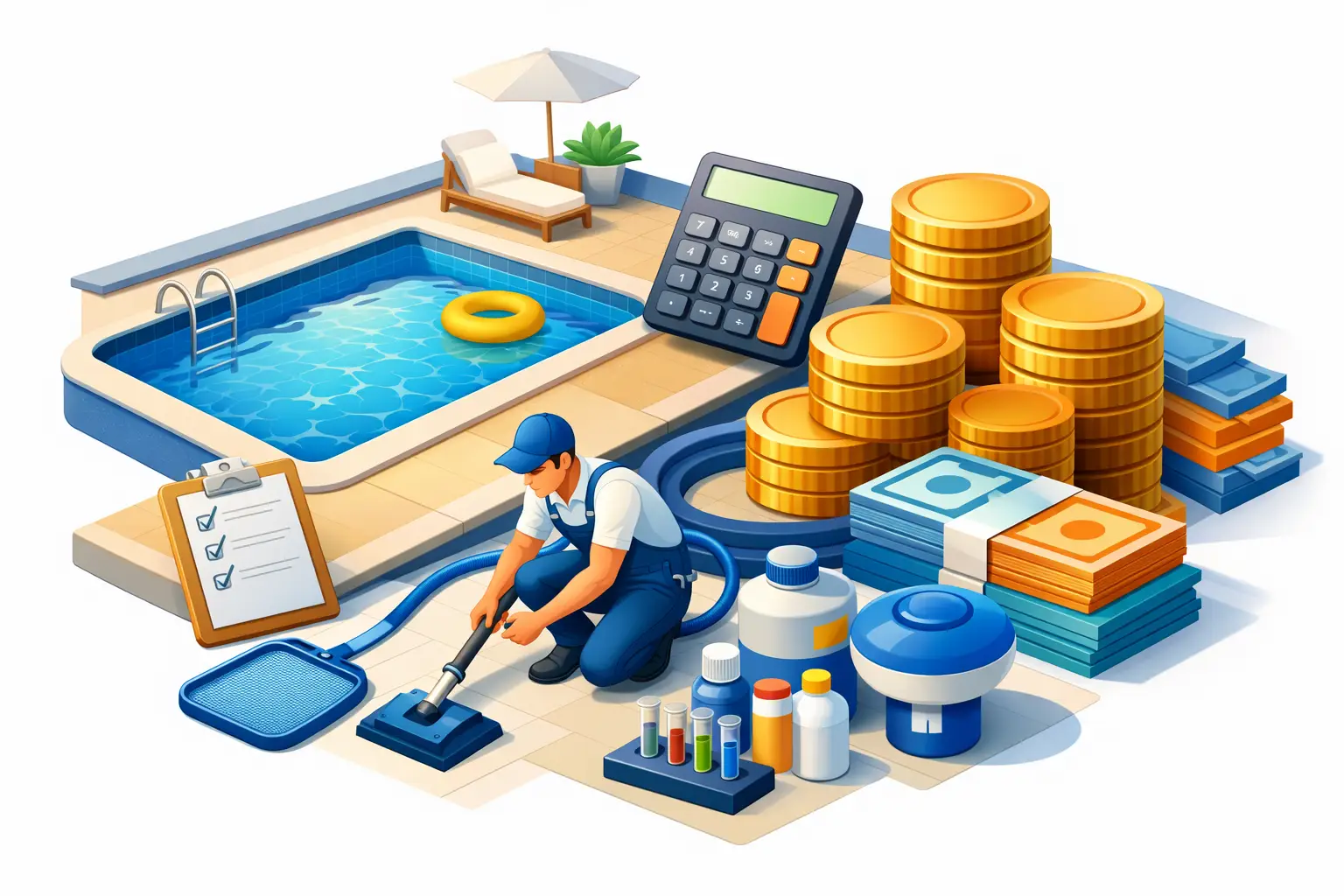
You should budget for construction, surrounding finishes, plant equipment, lighting, water treatment, heating if required, and any renovation or landscaping work connected to the project. Then consider the yearly picture: electricity, water, chemical treatment, servicing and replacement cycles for key components.
For holiday homes and rental properties, reliability has a direct financial value. Equipment failures, water quality problems or prolonged maintenance interruptions can affect guest experience and occupancy. In these cases, investing in dependable systems and experienced technical support is often the sensible commercial decision.
Build for maintenance and future upgrades
Good planning makes ownership easier. Poor planning creates avoidable service problems.
The plant room should be accessible and sensibly organised. Pipework, valves and equipment placement should allow straightforward maintenance and future replacement. If you may want heating, automation or additional lighting later, it is wise to prepare for that during the initial build rather than reopen the project afterwards.
Safety should be part of the design from the beginning. Steps, handrails, non-slip surrounding surfaces and appropriate covers all contribute to a pool that is comfortable to use and simpler to manage responsibly.
For many owners, the ideal result is not the most complex pool. It is the one that remains attractive, efficient and dependable year after year. That usually comes from careful specification, sound construction and the support of a local specialist with experience across the full pool lifecycle. For clients in the region who want that kind of continuity, POOLSHOP ALGARVE can support everything from planning and construction to renovation, equipment and ongoing technical solutions. If you need a specialised partner for your project, contact POOLSHOP ALGARVE on 915 244 816.
Work with a partner who sees the whole project
A custom pool is not a single purchase. It is a combination of design decisions, construction quality, technical performance and aftercare. When those parts are handled separately, details can be missed. When they are considered together, the result is usually more coherent and more reliable.
That is why experience matters. An established pool specialist can help you weigh style against practicality, advise where it is worth investing more, and identify where a simpler solution may serve you better. Not every property needs the same answer, and not every impressive-looking option is right for the way you live.
If you take the time to plan properly, your pool will do more than look good on installation day. It will fit the property, support the lifestyle you want, and remain a pleasure to own long after the building work is finished.